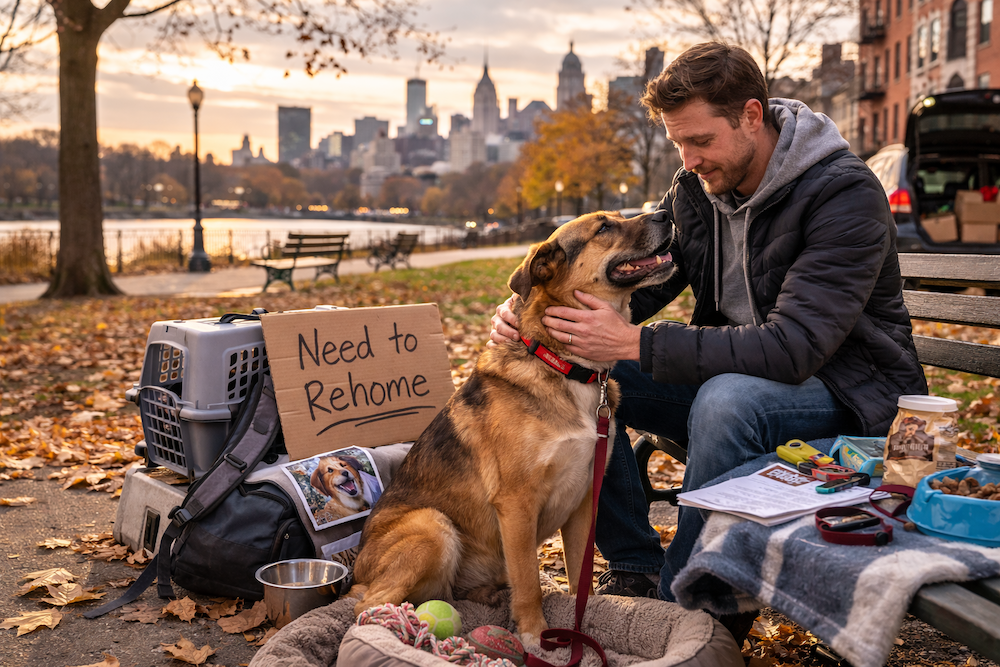
Rehoming a dog in New York State requires careful consideration, particularly because living environments can vary dramatically from one region to another. A dog suited to a quiet property upstate may not thrive in a busy suburban neighbourhood — and vice versa.
If circumstances have changed and rehoming is unavoidable, the priority should always be long-term stability. A thoughtful, well-managed process reduces stress for the dog and increases the likelihood of a successful transition.
Be Certain Rehoming Is the Right Decision
Before proceeding, evaluate whether rehoming is truly necessary. Behavioural issues, time constraints, or lifestyle changes can sometimes be managed with professional support.
If the decision is final, commit to finding a permanent home rather than a temporary arrangement. Multiple moves can be disruptive and confusing for a dog.
Clarity about your dog’s temperament, training level, and daily routine will help guide the process.
Consider Regional and Seasonal Factors
New York State experiences distinct seasons, including cold winters and warm summers. Dogs accustomed to one environment may need time to adjust to another.
Ask potential adopters about their ability to manage winter walks, outdoor shelter, and indoor space during colder months. For rural areas, secure fencing and property boundaries are important.
Matching the dog’s needs to the regional environment helps prevent future complications.
Provide Comprehensive Background Information
Gather all veterinary records, vaccination history, and microchip details before listing. Be honest about any medical or behavioural considerations.
Include information about socialisation, comfort around children or other animals, and how the dog handles time alone.
Transparent communication builds trust and filters out unsuitable enquiries early.
Screen Adopters Thoughtfully
Instead of rushing through messages, engage in a meaningful conversation with prospective adopters.
Ask about:
New York includes suburban communities, small towns, and rural regions — understanding where the dog will live matters.
Arrange a Calm Introduction
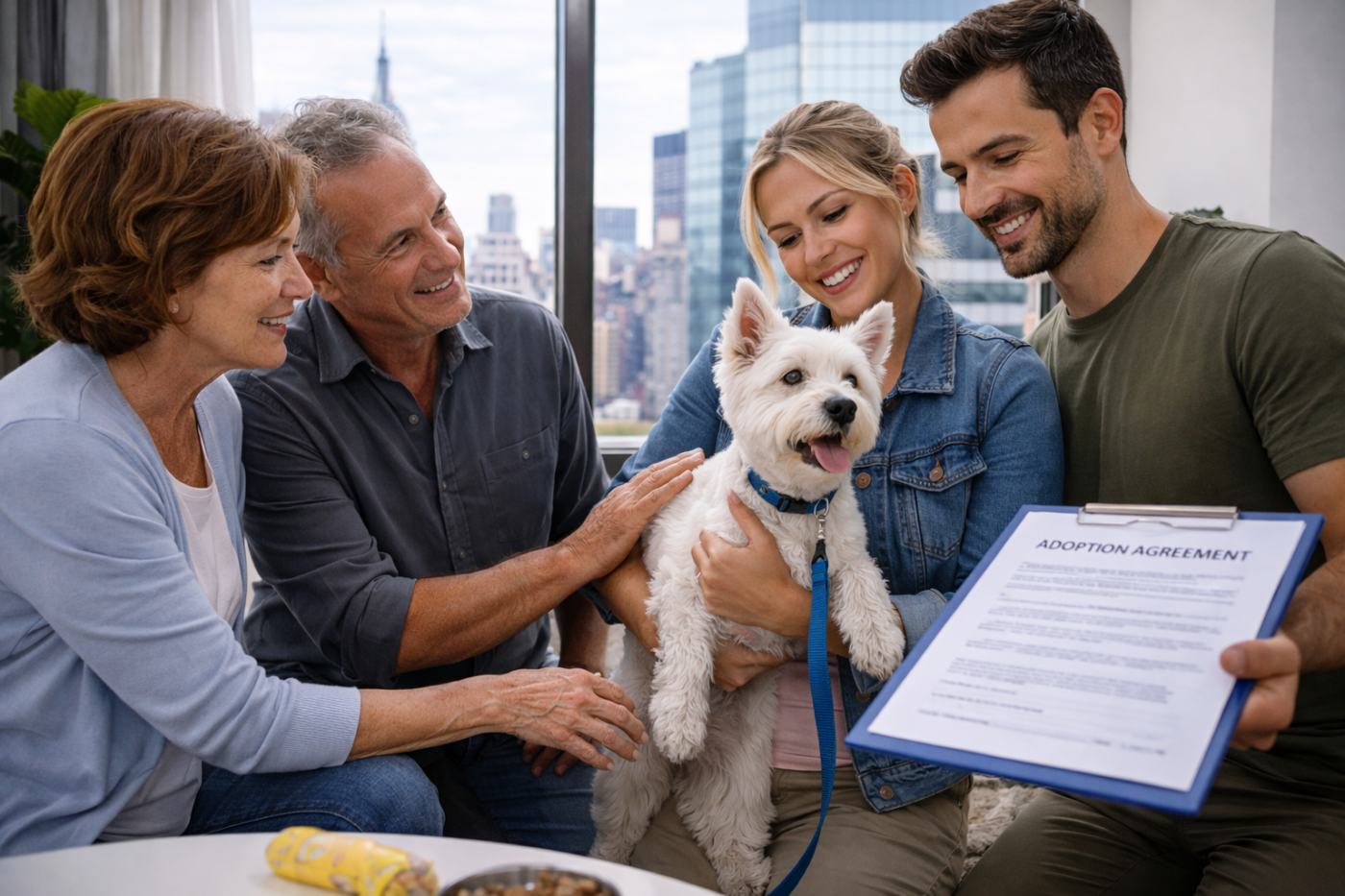
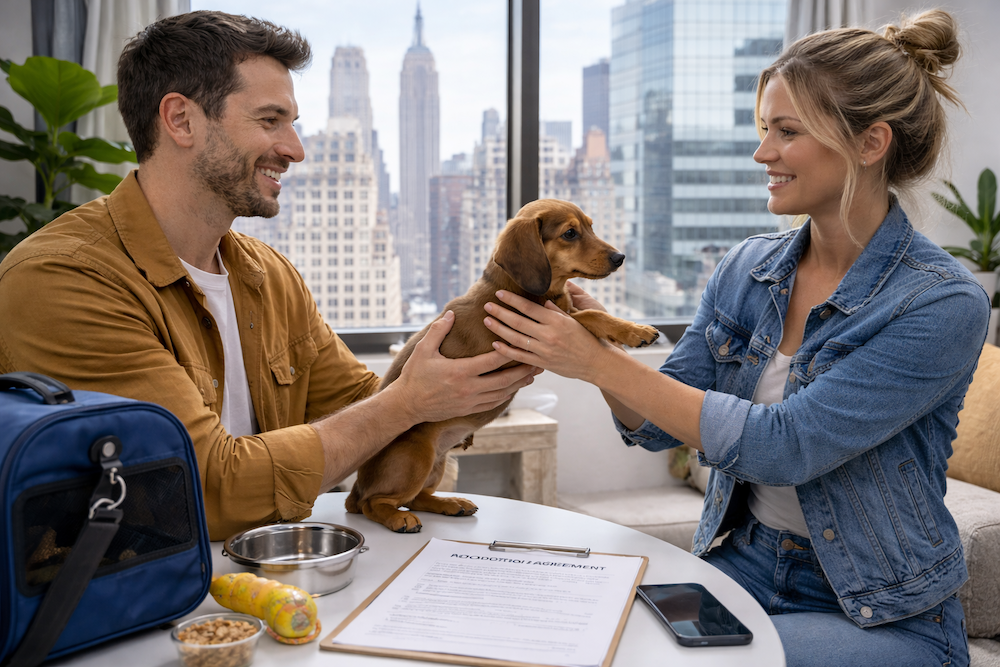
Plan a structured meeting where both the dog and adopter can interact naturally.
Observe how the adopter handles the dog. Calm, confident engagement is a positive sign.
Avoid rushed handovers in busy or distracting environments. A composed introduction helps everyone feel more comfortable.
Plan the Transfer Carefully
Once you’ve chosen the right home, prepare for a smooth transition. Share feeding routines, exercise habits, and any comfort items.
If the dog is microchipped, complete ownership transfer promptly. Provide written documentation confirming the change in responsibility.
Clear communication reduces confusion after placement.
Final Thoughts
Rehoming a dog in New York State requires patience, transparency, and careful screening. By considering regional differences, seasonal factors, and long-term stability, you increase the chance of a successful outcome.
A responsible approach ensures your dog moves into a home that is prepared — not just interested.
Looking to rehome your dog in New York?
Create a responsible listing and connect with potential adopters across New York State.
👉 https://petsalesny.com/