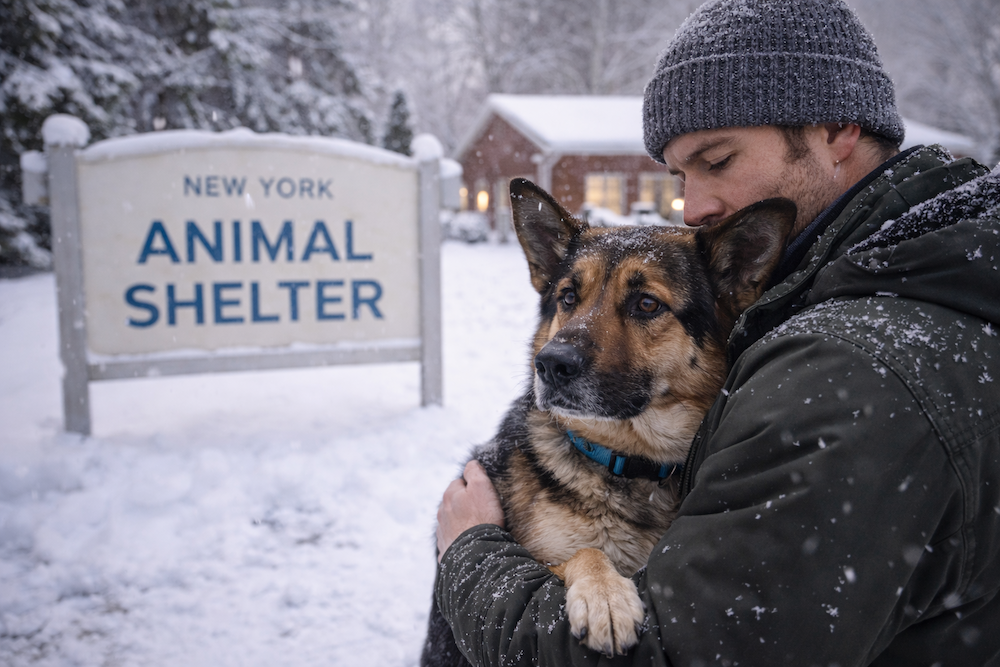
Selling or rehoming a pet in New York requires careful planning, particularly in areas where apartment living and building regulations play a major role in ownership.
Unlike more suburban states, many New York buyers must comply with landlord rules, co-op board approvals, or breed restrictions. Ensuring the new home is genuinely suitable — and legally permitted — is essential before completing any transfer.
A safe sale protects you, the buyer, and most importantly, the pet.
Understand Housing Restrictions Before Proceeding
In New York, housing rules can make or break a placement. Many buildings limit pet size, breed, or even the number of animals allowed.
Before agreeing to sell, ask whether the buyer has landlord approval. If they rent, confirm pets are permitted in writing. If they live in a co-op or condo, check that board policies allow the specific breed.
This step alone prevents many failed placements.
Provide Clear and Structured Information
New York buyers often expect detailed documentation. Be prepared to share vaccination records, microchip details, veterinary history, and any behavioural notes.
Urban living demands predictable behaviour. If the pet has specific training needs, noise sensitivities, or separation anxiety, disclose this clearly.
Transparency reduces the risk of the pet being returned later.
Screen Buyers Beyond Basic Questions
Instead of simply asking where the buyer lives, go deeper. Ask about daily routines, work schedules, and how the pet will be exercised in a city environment.
For example:
How often will the dog be walked?
Is there access to nearby parks?
How many hours per day will the pet be alone?
Urban lifestyles can be demanding. The pet’s temperament must match the environment.
Arrange Meetings Carefully
When meeting in New York, choose safe, well-lit, and public locations if you’re unsure about hosting at home. Daytime meetings are preferable.
Allow the buyer time to interact calmly with the pet. Avoid rushed handovers in busy areas or street corners.
A controlled, thoughtful meeting helps you assess suitability properly.
Keep the Transaction Professional
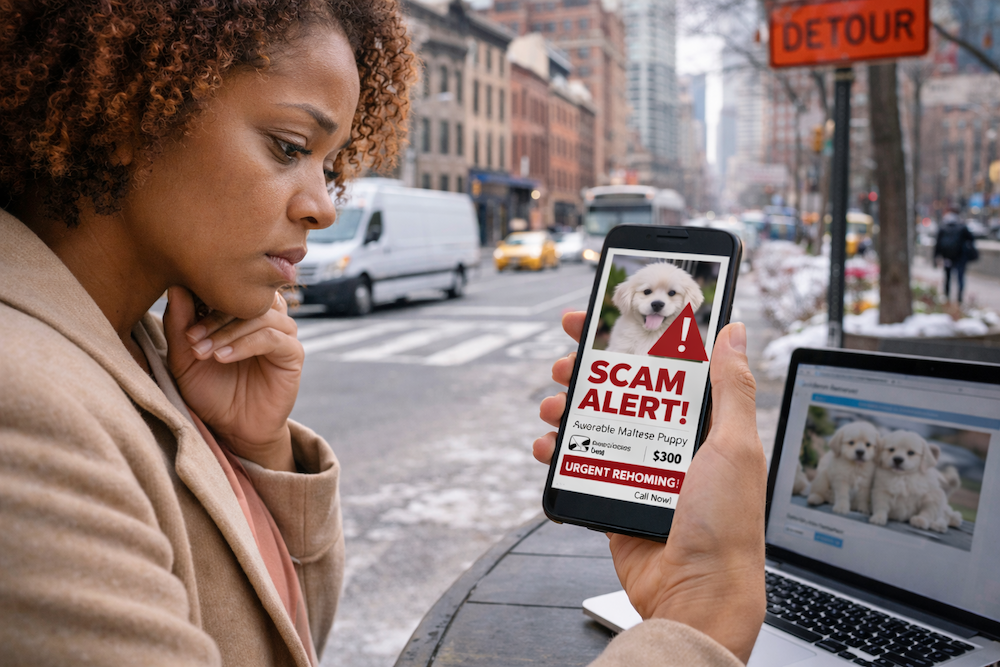
Clearly outline the agreed payment amount and method before meeting. Avoid unusual or last-minute payment changes.
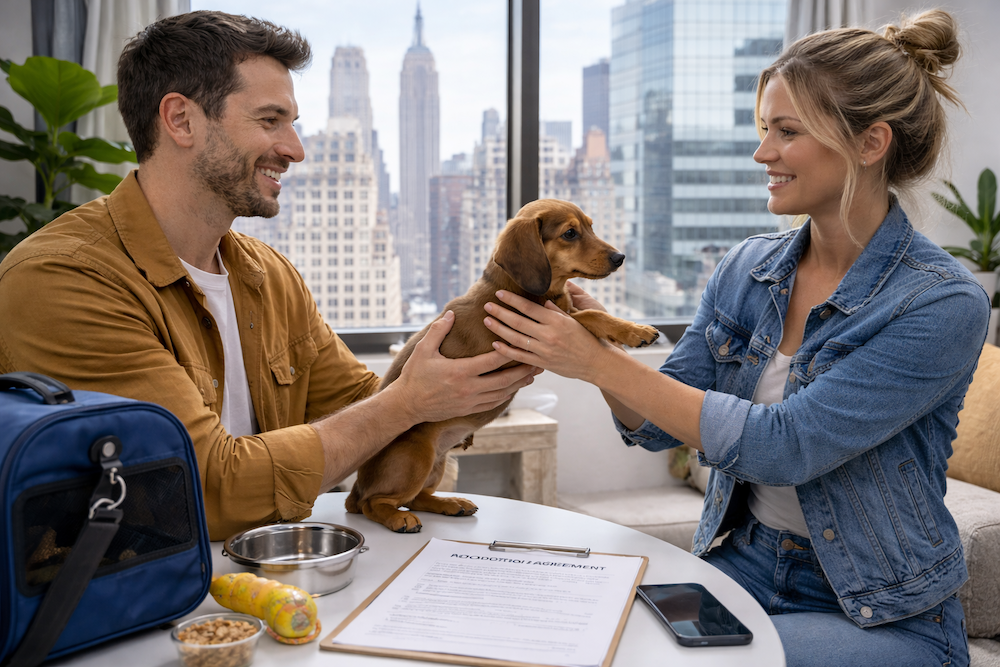
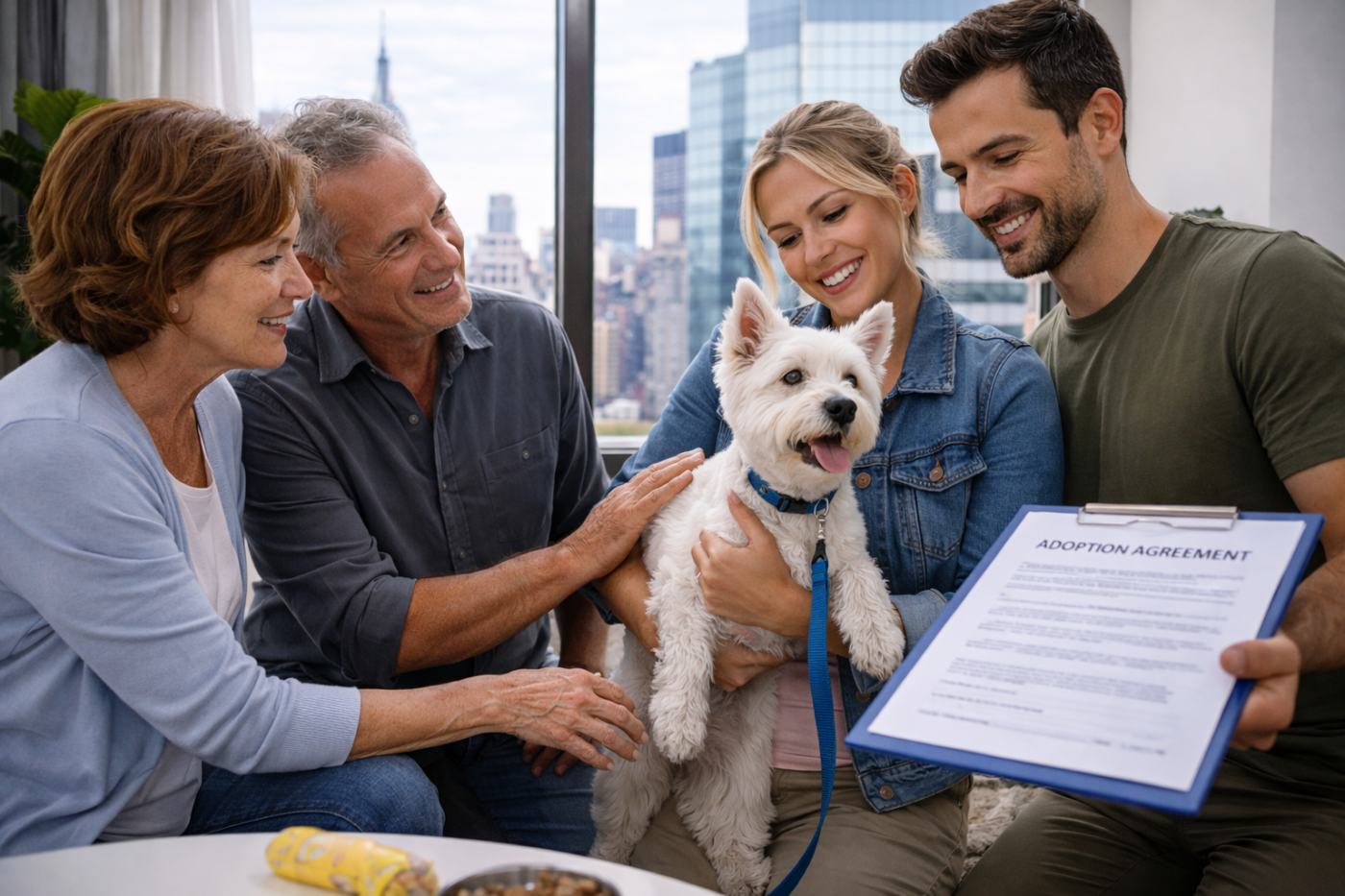
Provide written confirmation of the sale and copies of health records. Documentation creates clarity and prevents disputes.
Professional handling signals responsibility.
Consider the Transition to Apartment Life
If the pet is moving into an apartment, encourage the new owner to prepare a quiet settling space before arrival.
New York buildings can be noisy, with elevators, hallway traffic, and street sounds. Gradual introduction to the environment improves the likelihood of a successful adjustment.
Your role doesn’t end at the handover — thoughtful guidance supports the pet’s long-term wellbeing.
Final Thoughts
Selling a pet safely in New York requires more than finding a willing buyer. Housing restrictions, lifestyle demands, and urban logistics all matter.
By screening carefully, documenting thoroughly, and prioritising the pet’s future environment, you create a responsible transition — not just a transaction.
Ready to list your pet in New York?
Create a responsible listing and connect with buyers across New York.
👉 https://petsalesny.com/